Qatar Sets 2031 Target for Military Self-Reliance
Doha aims to build a standalone defense capability in five years to reduce dependence on US security guarantees.
By Rafael Ortega ·
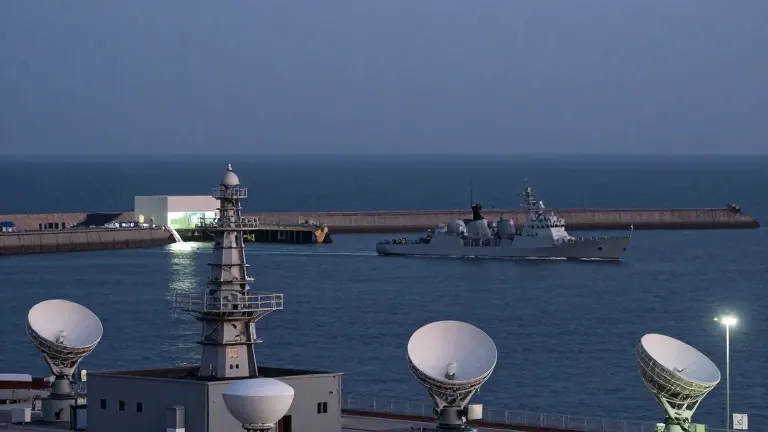
Qatar has set a target to achieve full defense autonomy by 2031, a five-year initiative designed to allow the small Gulf state to protect itself without relying on external military support. The plan addresses growing concerns about regional security and the potential for the United States to limit its involvement in Gulf affairs. Doha seeks to maintain its alliances while ensuring its security is not contingent on the decisions of another power.
The strategy identifies six key pillars for development: air and missile defense, early warning systems, protection of critical infrastructure, air and naval power, cybersecurity, and the diversification of security guarantees. The core objective is to build a capacity to prevent threats and withstand attacks, rather than to create an army capable of defeating a major regional power in a standalone conflict. The approach focuses on resilience and continuity for a small state with limited territory and population.
A primary focus is the construction of an integrated national air defense shield. Current capabilities, which include advanced fighter aircraft, are viewed as insufficient for full independence. The plan calls for a multilayered radar network, a unified command center, and integrated short, medium, and long-range air defenses. It also prioritizes expanded counter-drone capabilities, electronic warfare tools, and low-cost interception systems. The goal is a system that functions effectively even if US forces are absent.
The air force strategy emphasizes sustainability over sheer volume. Policymakers are tasked with ensuring operations can continue for several weeks if external supply lines are cut. This involves increasing ammunition stockpiles, expanding domestic manufacturing and maintenance, and training Qatari personnel for technical roles. The plan also calls for dispersed storage of supplies to mitigate the risk of single-point failures and the development of ground and aerial refueling capabilities.
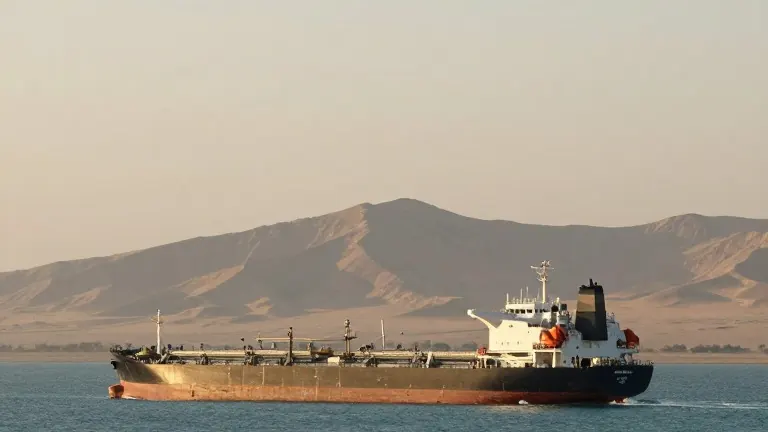
Maritime security is treated as a second line of defense and an economic necessity. Qatar’s economy relies on the uninterrupted flow of liquefied natural gas and oil exports through its surrounding waters. The naval strategy aims to make attacks on maritime infrastructure difficult and costly without building a large fleet. Priorities include enhanced surveillance, counter-maritime drone capabilities, and the protection of ports and shipping routes.
The plan also introduces a national resilience and protection program to safeguard critical infrastructure. This covers energy facilities, water desalination plants, power stations, telecommunications centers, airports, and data centers. A key requirement is ensuring backup capacity in every sector. For example, if a major desalination plant fails, an alternative supply source must be available to prevent a local issue from becoming a national crisis.
To reduce information dependency, Qatar intends to develop its own intelligence capabilities. This includes space-based reconnaissance, unmanned aerial vehicles, radar systems, and artificial intelligence-driven data analysis. The aim is to create an integrated system that combines commercial satellites, international partnerships, and national assets. This will allow Doha to generate its own threat assessments before requesting assistance from allies.
The final pillar involves diversifying security guarantees. The strategy suggests forming partnerships with South Korea, Turkiye, European powers, Pakistan, and China in specific fields. This is not intended to replace the US alliance but to reduce the risks associated with dependence on a single guarantor. The US remains a key partner, but the plan seeks to make Gulf security a matter of broader international interest.
The initiative is a response to recent developments in the Gulf that have raised questions about regional stability. The strategy acknowledges that while Qatar has financial resources and international relationships, these do not automatically equate to strategic autonomy. The next five years will be dedicated to building the specific military and technological systems required to meet the 2031 deadline.
Source: Al Jazeera