Lula wins Brazil presidency; Bolsonaro vows legal fight
The incumbent secured a fourth term with over 64 million votes, but his opponent claims the chaotic vote count requires annulment.
By Rafael Ortega ·
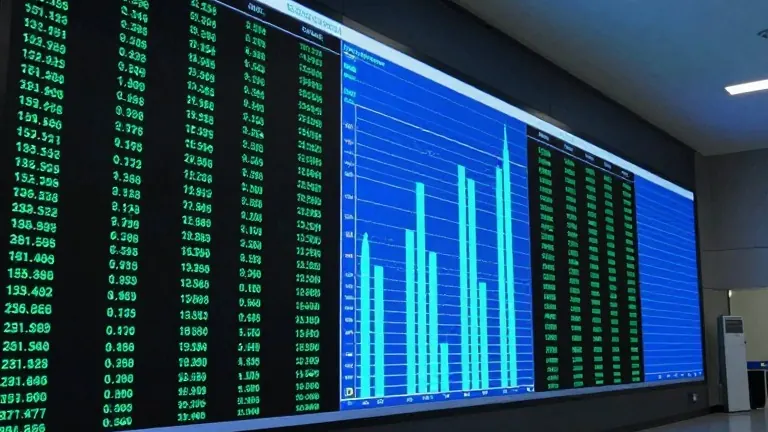
Luiz Inácio Lula da Silva won Brazil's presidential runoff on Sunday, securing his fourth term as president. The incumbent gathered more than 64 million votes to claim victory. His opponent, Senator Flávio Bolsonaro, received just under 60 million votes. The margin of victory stood at nearly 4 percent.
The election process was disrupted by a last-minute decision to extend voting hours nationwide. The request came from both candidates. Lula asked for the extension due to public transportation issues in São Paulo and Salvador. Bolsonaro requested it because of heavy rains in the south, a region where he had performed well in the first round.
A Supreme Court justice made the decision minutes before polls were set to close at 5 p.m. Many polling stations did not receive the news until they were already shutting down. This delay created confusion during the counting process.
Flávio Bolsonaro announced on Sunday that he plans to request an annulment of the election. He cited the chaotic extension as a reason for his legal challenge. It is currently unclear which specific legal avenue he will pursue to make that request. His father, former President Jair Bolsonaro, is serving a 27-year sentence for a coup attempt and had previously contested his own loss to Lula.
President Donald Trump also questioned the outcome. Speaking to reporters on Monday, Trump described the election as looking rigged. He stated that the tabulation process looked bad to him. Trump did not provide specific evidence for his claims. He made these remarks before departing for a rally in Mississippi.
The victory was driven by a surge in voter turnout. An additional 14.1 million voters participated in the second round compared to the first. Analysts estimate that three-quarters of these new votes went to Lula. The first round had seen a record number of abstentions, while the second round recorded the lowest number of abstentions in history.
A major factor in Lula's mobilization was a digital campaign led by lawmaker André Janones. Janones managed a WhatsApp channel called Lula's Army, which reached almost 11 million people. This operation focused on aggressive social media messaging to engage previously uncommitted voters.
Kassio Nunes, president of Brazil's electoral authority, recognized Lula's victory on Sunday. Nunes was appointed to the Supreme Court by Jair Bolsonaro. Brian Winter, a Brazil analyst, noted that key Brazilian power brokers are closing ranks behind Lula. He described the situation as an uphill battle for Flávio Bolsonaro.
Lula is expected to take office on Jan. 5, 2027. He will be 81 years old at the start of his term. The president faces a right-wing Congress where his opponent's party holds the most seats. Flávio Bolsonaro remains a senator, though his term ends in January.
Oliver Stuenkel, a professor at Fundação Getulio Vargas, said the defeat in the first round forced the Lula campaign to change its strategy. He noted that the previous approach had been lackluster and plagued by infighting. The new strategy focused on intense, constant messaging to secure the win.
Source: ABC News